How to Start a Mini Farm in Al Ain
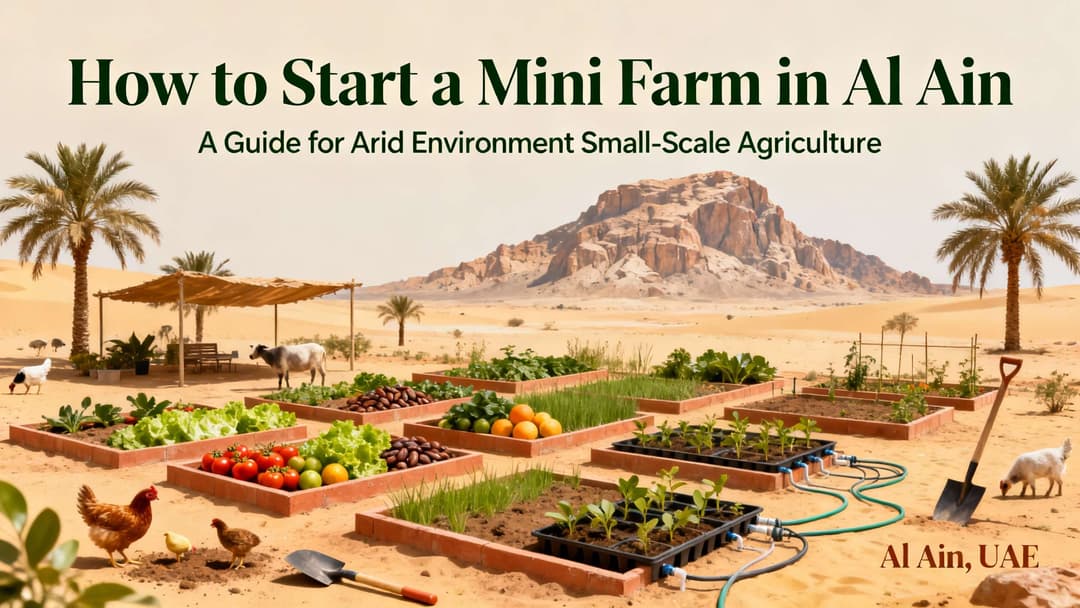
Al Ain, known as the “Garden City” of the UAE, offers a rare opportunity for residents to reconnect with nature—right in the middle of the desert. Whether you dream of growing organic vegetables, raising a few chickens, or simply having a peaceful weekend retreat, starting a mini farm in Al Ain is not only possible but increasingly supported by local authorities.
The first step is securing the right land. Unlike other emirates, Al Ain allows private individuals to lease agricultural plots from the government through the Abu Dhabi Agriculture and Food Safety Authority (ADAFSA). Plot sizes typically range from 5,000 to 50,000 square feet, with leases available for 5–10 years (renewable). Priority is often given to UAE nationals, but expats can lease through a local sponsor or via licensed agricultural investment companies.
Before applying, visit the Al Ain Municipality’s Agricultural Affairs Department to understand zoning rules. Not all desert areas are approved for farming—some are protected, others reserved for development. You’ll need to confirm that your chosen plot has access to treated irrigation water, electricity, and basic road access.
Once you have the land, focus on sustainable desert farming practices. The UAE’s climate demands water-efficient methods like drip irrigation, shade netting, and drought-resistant crops (e.g., dates, figs, okra, and certain herbs). Many new farmers partner with Al Ain’s agricultural extension services, which offer free workshops on soil preparation, pest control, and crop rotation.
Livestock is also an option—but with regulations. You can legally keep up to 20 chickens, 5 goats, or 2 sheep on a standard mini-farm plot, provided you follow animal welfare and waste management guidelines. A small coop or pen must be at least 50 meters from neighboring properties.
One growing trend is “agri-tourism”: inviting friends or small groups for farm-to-table lunches, fruit picking, or educational visits. While commercial tourism requires additional permits, casual hosting is usually allowed for personal use.
The investment? A basic setup (fencing, water system, 10 fruit trees, and a small coop) can start from 15,000–25,000 AED. It’s not just a hobby—it’s a long-term asset that yields food, peace of mind, and even potential income.
If you’re looking for available plots or want to connect with others in the community, platforms that list Desert Lifestyle Plots are becoming valuable resources for both beginners and experienced growers.
In a fast-paced city like Dubai, owning a slice of Al Ain’s green oasis isn’t just a luxury—it’s a return to balance, sustainability, and the quiet joy of watching something grow in the desert.
Is this blog helpful?
1
0
Related Articles
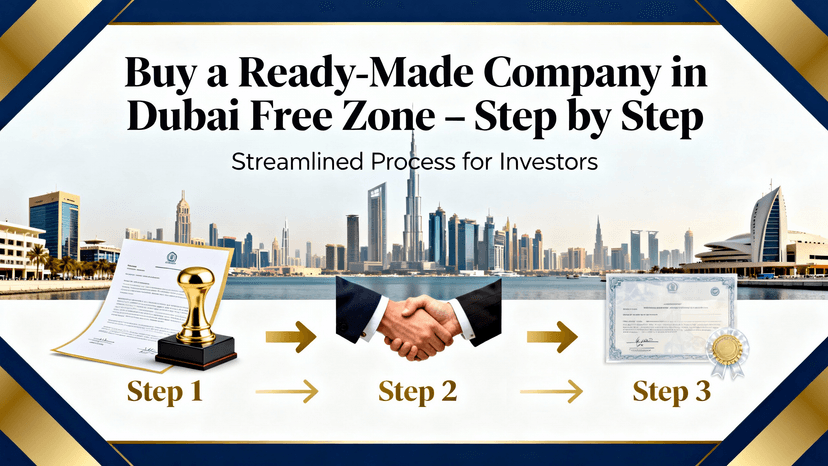
Buy a Ready Made Company in Dubai Free Zone Step by Step
Starting a business in Dubai doesn’t always mean building from scratch. For entrepreneurs who need speed, credibility, or an immediate trading license, buying a ready-made company in a Dubai free zone is a smart and legal shortcut. These “shelf companies” are pre-registered with all paperwork in place—and can be operational in as little as 3–5 working days.
Read Blog
The Capital of the Future: The Rise of AI and Robotics Technologies in Dubai
Dubai has become a city that leads the world not only with its skyscrapers and luxury lifestyle but also with its strategic importance given to technology. This pearl of the United Arab Emirates beats at the heart of the global technology ecosystem with the "Dubai AI Strategy 2031" and "Smart Dubai" initiatives. So, how are Artificial Intelligence (AI) and robotics tec
Read Blog
The Transportation Network of the Future: Smart City and Mobility Revolution in Dubai
Dubai is turning its goal of becoming one of the smartest and most sustainable cities in the world into reality every day under the Dubai 2040 Urban Master Plan. The smart city concept implies not only technological infrastructure but also an integrated transportation network that enhances the quality of life for citizens. So, what smart steps is Dubai taking in the transportation sector? <div class="qwen-markdow
Read Blog